
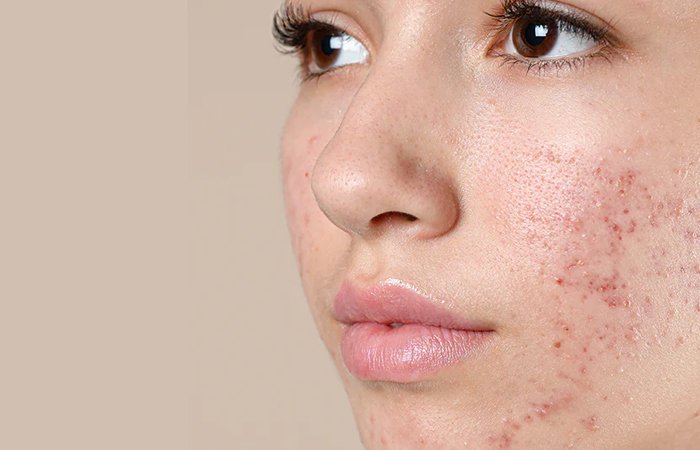
Acne Prone
Acne is a common skin condition that occurs when hair follicles become blocked. Oil (called sebum), which normally helps keep the skin from drying out, combines with dead skin cells to clog pores. This leads to the formation of pimples, also known as zits. Acne most often appears on the face but can also develop on the back, chest, and shoulders. It is an inflammatory skin disorder involving the sebaceous (oil) glands, which are connected to hair follicles containing fine hairs. In healthy skin, these glands produce sebum that travels through the pore to the skin's surface. The follicles are lined with cells called keratinocytes, which usually shed and rise to the surface naturally.
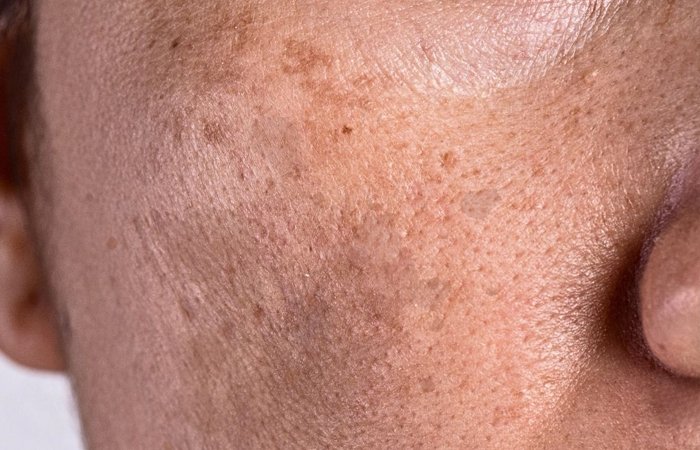
Pigmentation/Uneven skin tone
Skin pigmentation refers to the colour of your skin. It's determined by the amount and type of melanin, a pigment made by specialized skin cells known as melanocytes. Changes in melanin production can cause pigment disorders, such as hyperpigmentation (dark spots), hypopigmentation (light spots), depigmentation (white spots or patches). Skin damage from acne, blisters, cuts, sun exposure, genetic factors, and autoimmune conditions are all possible causes for changes in melanin and, thus, skin pigmentation.
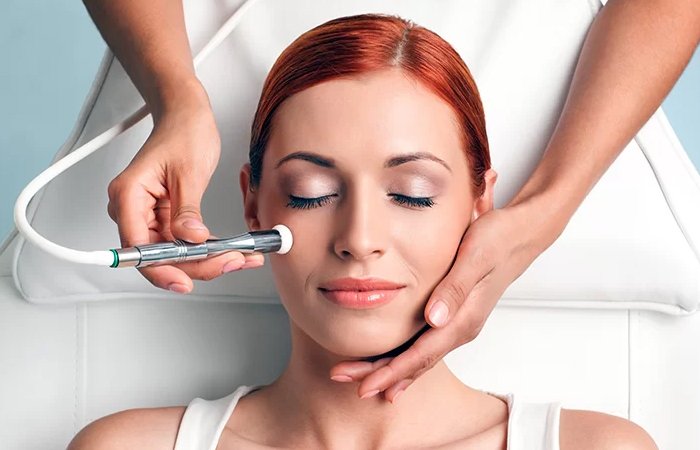
Ageing
Ageing skin is a natural part of the ageing process and can be challenging to accept. As we age, our skin loses its elasticity and becomes thinner, drier, and more prone to wrinkles. Various factors, including sun exposure, pollution, and certain lifestyle habits, can exacerbate ageing. The effects of ageing on the skin can be seen in many forms, including wrinkles and sagging skin.
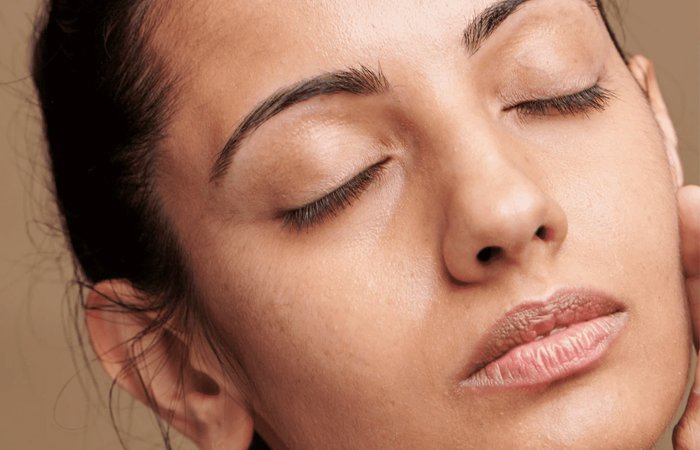
Dry/Dehydrated skin
Dry and dehydrated skin are often confused, but they are different. Dry skin is a skin type that occurs when the skin does not produce enough natural oils (sebum), leading to a rough, flaky, or tight feeling, and it is usually long-term or genetic. Dehydrated skin, however, is a temporary condition caused by a lack of water in the skin, which can affect any skin type, including oily skin, and often makes the skin look dull, feel tight, and show fine lines more easily. In simple terms, dry skin lacks oil, while dehydrated skin lacks water, so each requires different care to restore balance.
Sensitivities
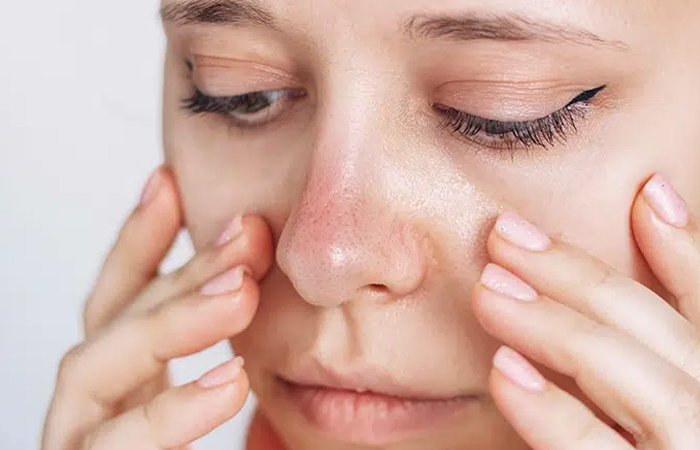
Skin sensitivities are very common and seem to be increasing due to greater exposure to allergens and irritants. They can significantly impact daily life, as flare-ups may occur frequently and sometimes become severe or debilitating. Studies suggest that up to 50% of women and 40% of men experience skin sensitivity at some point in their lives.
Cuperose/Rosacea
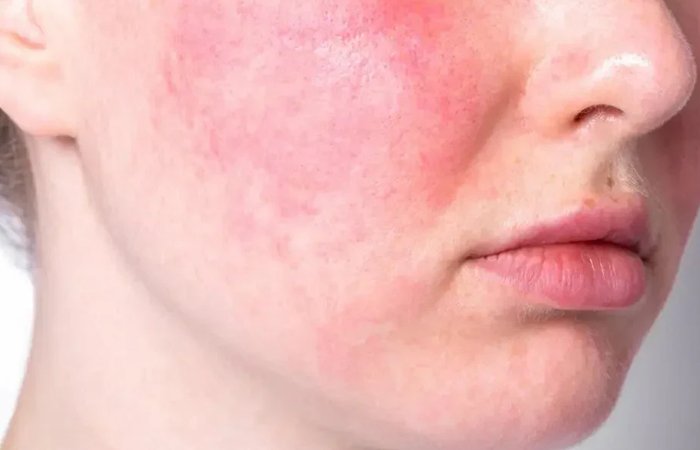
Couperose, often linked to rosaceous (rosacea-prone) skin, is a condition where the skin shows persistent redness due to enlarged or broken capillaries near the surface. It commonly appears on the cheeks and nose, giving the skin a flushed or blotchy look.